Modern homes depend on stable, well-designed electrical infrastructure to support daily routines, appliances, and long-term safety. As households add more devices and rely more heavily on continuous power, older systems can struggle to keep up with demand. This gap between the existing capacity and modern usage of electricity often goes unnoticed until performance issues begin to surface.
Working with a qualified electrical contractor helps homeowners understand where limitations exist and how to address them before they become costly problems. From identifying aging components to planning system improvements, professional guidance plays a central role in creating a safer and more reliable home environment. A well-planned electrical upgrade can make a noticeable difference in how safely and efficiently a home operates day to day.
Assessing Electrical Capacity and Infrastructure Needs
Evaluating Existing Electrical Panels
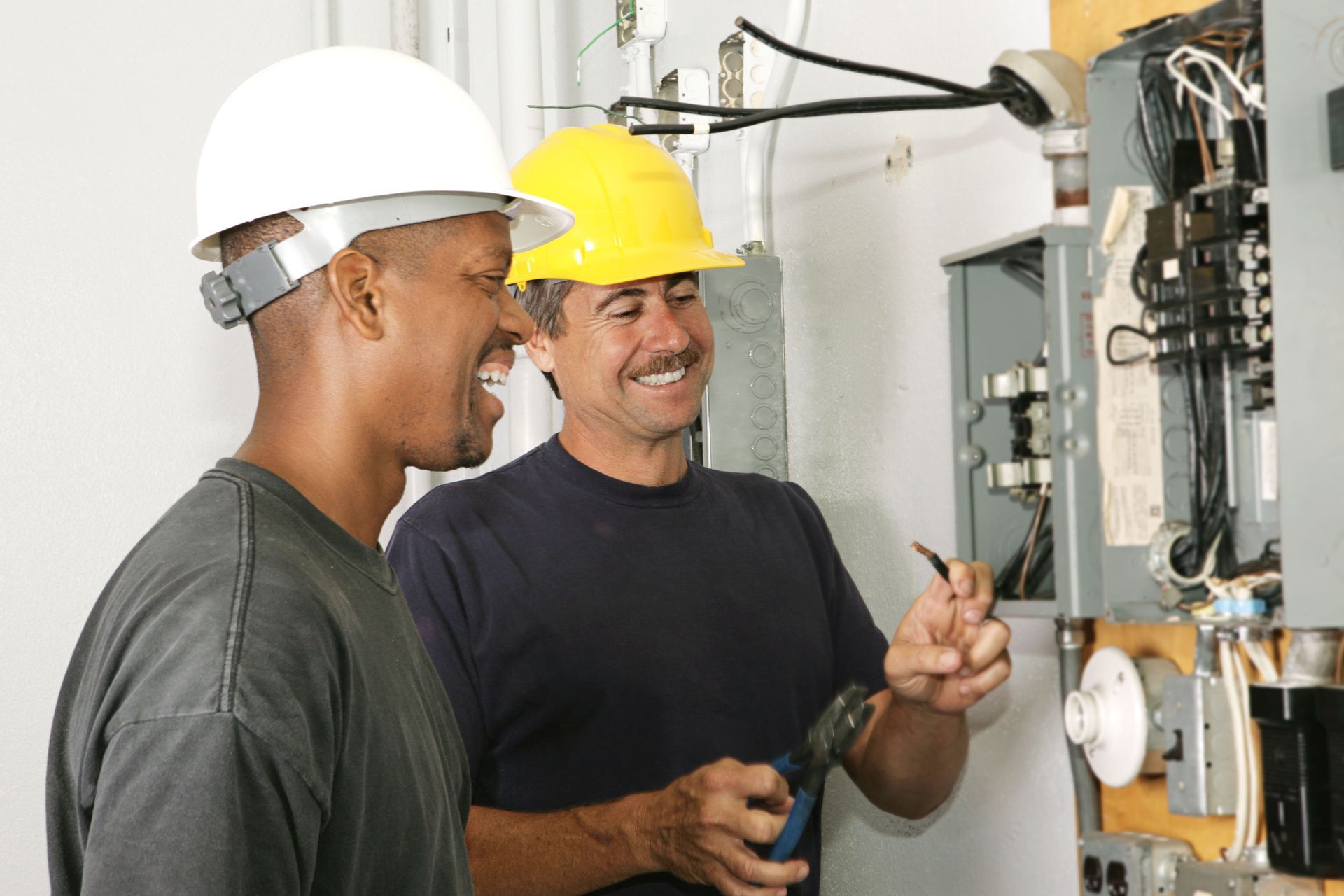
Older homes often contain electrical panels that were designed for far lighter usage than what is typical today. An electrician begins by examining the current panel's capacity, condition, and compatibility with modern load demands. This includes reviewing breaker performance, wiring integrity, and overall distribution balance across circuits.
In many cases, homeowners are unaware of how limited their system truly is until issues arise. Even seemingly minor signs, such as inconsistent power delivery or frequent interruptions, can indicate deeper structural limitations within the electrical setup. A thorough assessment ensures that these issues are properly identified rather than temporarily masked.
A careful evaluation also considers whether the existing panel has sufficient room for expansion. Without adequate capacity, even small upgrades can place strain on the system, leading to inefficiency or safety risks over time.
Identifying Load Demands in Modern Homes
Today's households place significantly higher electrical demands on their systems than homes built decades ago. Kitchens, entertainment systems, heating and cooling equipment, and everyday electronics all contribute to increased consumption. An electrical contractor assesses these combined loads to determine whether the current infrastructure can safely support them.
This process involves analyzing both peak and continuous usage patterns. For example, simultaneous appliance operation can create spikes that older systems are not designed to handle. Without proper planning, these spikes can lead to tripped breakers or long-term wear on components.
Understanding load requirements is essential for planning any modernization effort. It ensures that upgrades are not only reactive but also strategically designed to support long-term household needs.
Planning Safe System Expansion
Once capacity and demand are understood, the next step involves designing a safe path for expansion. This may include adding circuits, upgrading distribution pathways, or preparing the system for higher overall capacity. Electricians ensure that each adjustment aligns with current safety standards and long-term performance goals.
Planning also takes into account future needs, not just immediate concerns. Homes constantly evolve, and electrical systems must be flexible enough to accommodate those changes without requiring constant rework.
Careful planning reduces disruption during upgrades and helps ensure that improvements integrate smoothly with existing infrastructure.
Upgrading Electrical Systems for Safety and Efficiency
Replacing Outdated Panels and Wiring
One of the most impactful modernization steps involves replacing outdated panels and wiring systems that no longer meet current expectations. An electrical contractor evaluates whether existing components can safely handle modern loads or if replacement is necessary to prevent ongoing issues.
According to This Old House, new homes built within the last decade typically include at least 200-amp service as the standard, whereas older homes may still operate on systems as low as 60 amps that often require upgrading. This difference highlights how significantly electrical expectations have changed over time, particularly in homes that have not undergone recent improvements.
Upgrading these systems improves both safety and performance by reducing strain on circuits and ensuring more consistent power distribution. It also helps eliminate risks associated with outdated or deteriorating wiring, which can become a serious concern if left unaddressed.
Improving Energy Distribution and Performance
Beyond replacing outdated components, modernization also focuses on improving how electricity is distributed throughout the home. An electrician works to balance circuit loads more effectively so that no single area of the system becomes overburdened.
Balanced distribution helps reduce interruptions and ensures that appliances operate more efficiently. When circuits are properly organized, energy flows more predictably, reducing wear on both the system and connected devices.
This stage of improvement often reveals inefficiencies that have developed gradually over time. Addressing them helps restore stability and supports more consistent day-to-day operation across the entire home.
Meeting Current Electrical Code Standards
Electrical systems must comply with established codes designed to ensure safety and reliability. An electrical contractor ensures that all upgrades meet these requirements, which may include updated grounding methods, improved circuit protection, or revised installation practices.
Code compliance is not just a regulatory concern but also a practical safeguard. It ensures that systems are built to withstand modern usage patterns and reduces the likelihood of electrical hazards developing over time.
Bringing a home up to current standards also provides reassurance that the system has been properly evaluated and updated according to established industry expectations.
Enhancing Home Functionality and Long-Term Value
Supporting Modern Appliance Demands
Modern appliances require consistent and reliable power delivery to function properly. An electrical contractor ensures that the home's system is capable of supporting these demands without overload or interruption. This includes evaluating circuit capacity and making adjustments where necessary.
When electrical systems are unable to keep up with appliance requirements, performance issues often become noticeable through inconsistent operation or repeated interruptions. Addressing these limitations improves overall household functionality.
Supporting these demands also helps ensure that appliances operate within their intended parameters, reducing unnecessary strain and extending their usable lifespan.
Reducing Electrical Risks And Interruptions
Electrical issues such as frequent breaker trips, flickering lights, or warm wall plates often indicate underlying system strain. An electrical contractor identifies the root causes of these issues and implements solutions that restore stability.
Many homeowners rely on temporary fixes, such as extension cords or repeated breaker resets, without realizing these are signs of deeper system limitations. Addressing the underlying issues reduces the likelihood of recurring disruptions.
Improving system reliability also enhances day-to-day comfort by ensuring that power is delivered consistently and safely throughout the home.
Increasing Property Value Through Professional Work
A well-maintained electrical system contributes significantly to overall property value. An electrical contractor ensures that upgrades are completed in a way that enhances both safety and long-term usability, which can be an important factor for future resale considerations.
In addition to improving functionality, updated systems signal that a home has been properly maintained. This can increase buyer confidence and reduce concerns about potential hidden issues within the infrastructure.
Investing in professional electrical improvements ultimately strengthens the long-term appeal and reliability of the property.
Modernizing a home's electrical system is a practical step toward improving safety, efficiency, and long-term reliability. With the support of a skilled electrical contractor, homeowners can address existing limitations while preparing their homes for future demands.
Upgraded systems reduce disruptions, improve performance, and ensure that electrical infrastructure aligns with current standards and usage patterns. Over time, these improvements contribute to a more stable and dependable living environment that supports both everyday needs and long-term property value. Taking the time to modernize the system now can help prevent unexpected issues and support consistent performance well into the future.
Are you a homeowner looking to modernize your home's electrical system? Reach out to B. Jags Electric today!