By Ben Vargas
October 22, 2026
In today's increasingly connected world, smart home technology has become an important part of modern living. From automated lighting and climate control to advanced security systems, these innovations offer convenience, efficiency, and improved functionality. Professional electricians help homeowners prepare their properties for these technologies by evaluating electrical infrastructure, installing compatible equipment, and ensuring safe operation. Understanding the preparation and installation process allows homeowners to make informed decisions about creating a reliable, adaptable smart home.
Understanding the Basics of Smart Home Technology
Smart home technology includes devices that communicate through wireless networks, wired connections, or centralized control systems. Common examples include smart thermostats, lighting controls, security cameras, door locks, appliances, and automated window coverings. These devices can respond to schedules, occupancy, environmental conditions, or commands from smartphones and voice assistants.
Successful integration depends on compatibility between devices, reliable connectivity, and sufficient electrical capacity. Professional electricians can evaluate these requirements and recommend suitable installation methods. Homeowners should also understand basic concepts such as the Internet of Things, automation routines, and communication protocols. Familiarity with these terms makes it easier to select equipment that works together and supports everyday household activities.
Conducting an Initial Home Technology Assessment
Before installing smart devices, homeowners benefit from a comprehensive assessment of their existing electrical and networking systems. This evaluation identifies outdated wiring, overloaded circuits, inadequate network coverage, and other limitations that could affect performance. It also helps determine which improvements should be completed before purchasing additional equipment.
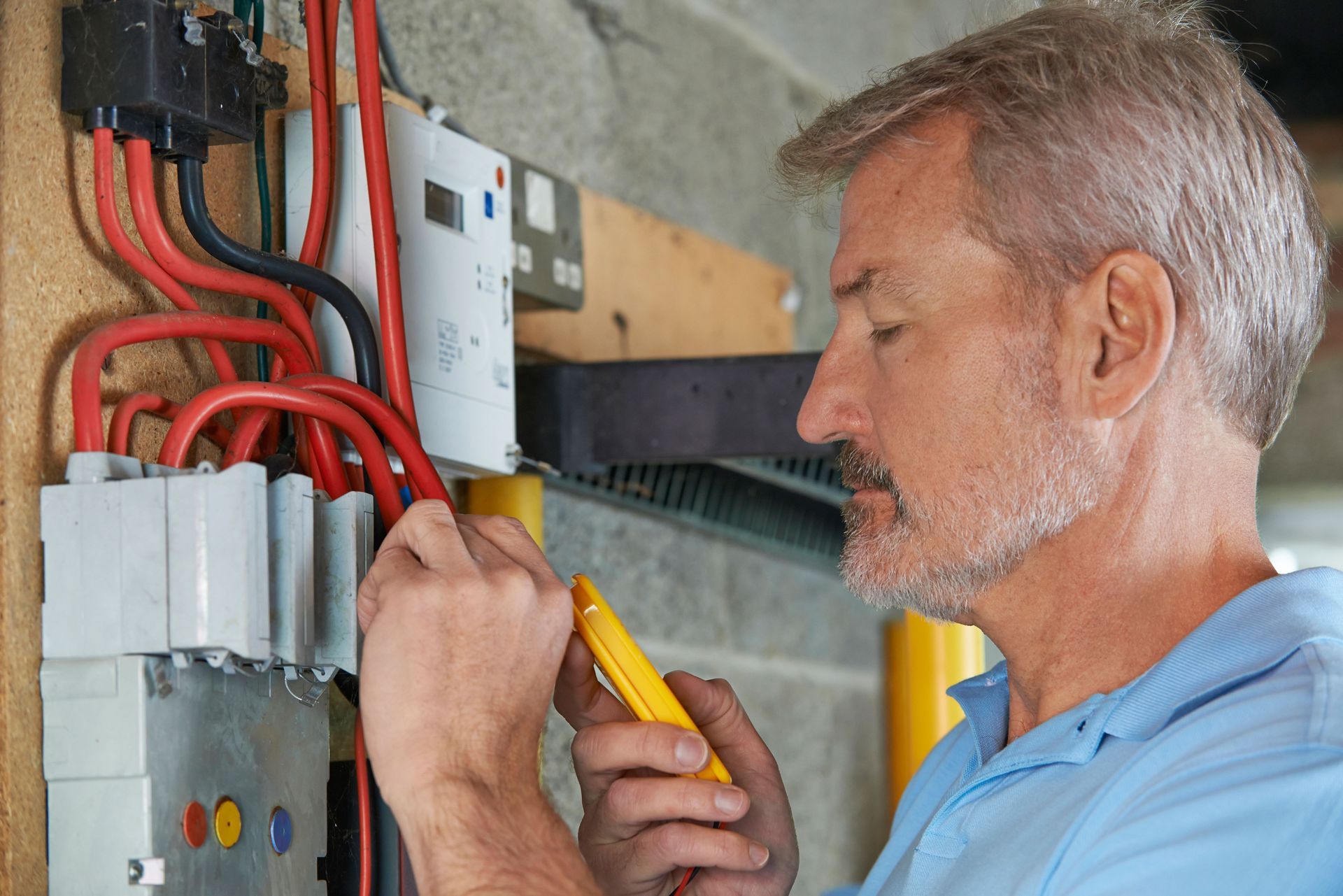
Experienced electricians examine electrical panels, available circuits, device locations, and anticipated power requirements. According to Rewiring America, roughly 60% to 70% of American households have electrical panels rated below 200 amps, making capacity evaluation particularly relevant when planning broader electrification projects. However, panel upgrades depend on actual electrical demand rather than amperage ratings alone.
During planning, homeowners can establish priorities based on their budgets and lifestyles. Identifying essential features first creates a practical installation schedule and reduces unnecessary expenses. A detailed assessment also provides opportunities to address existing electrical concerns before introducing more sophisticated technology.
Developing a Customized Smart Home Installation Plan
Every household has different expectations for smart technology. Some homeowners prioritize energy savings, while others want enhanced security, entertainment integration, or improved accessibility. A customized installation plan identifies suitable products, placement requirements, compatibility considerations, and anticipated costs.
Professional electricians collaborate with homeowners to determine where equipment should be installed and whether additional outlets, switches, or dedicated circuits are necessary. Device placement should account for accessibility, wireless signal strength, existing wiring, and room layouts. Security cameras require appropriate viewing angles, while smart switches must be compatible with connected lighting fixtures.
Planning should also consider future additions. Selecting compatible platforms and allowing room for electrical expansion can simplify later improvements. Establishing a realistic budget helps homeowners prioritize essential upgrades without sacrificing safety or long-term functionality.
Upgrading Electrical Wiring and Infrastructure
Reliable electrical infrastructure supports consistent smart device performance. Older homes may contain wiring configurations that require modification before certain connected switches, controllers, or appliances can be installed. Some smart switches, for example, require neutral conductors that may not be available in older switch boxes.
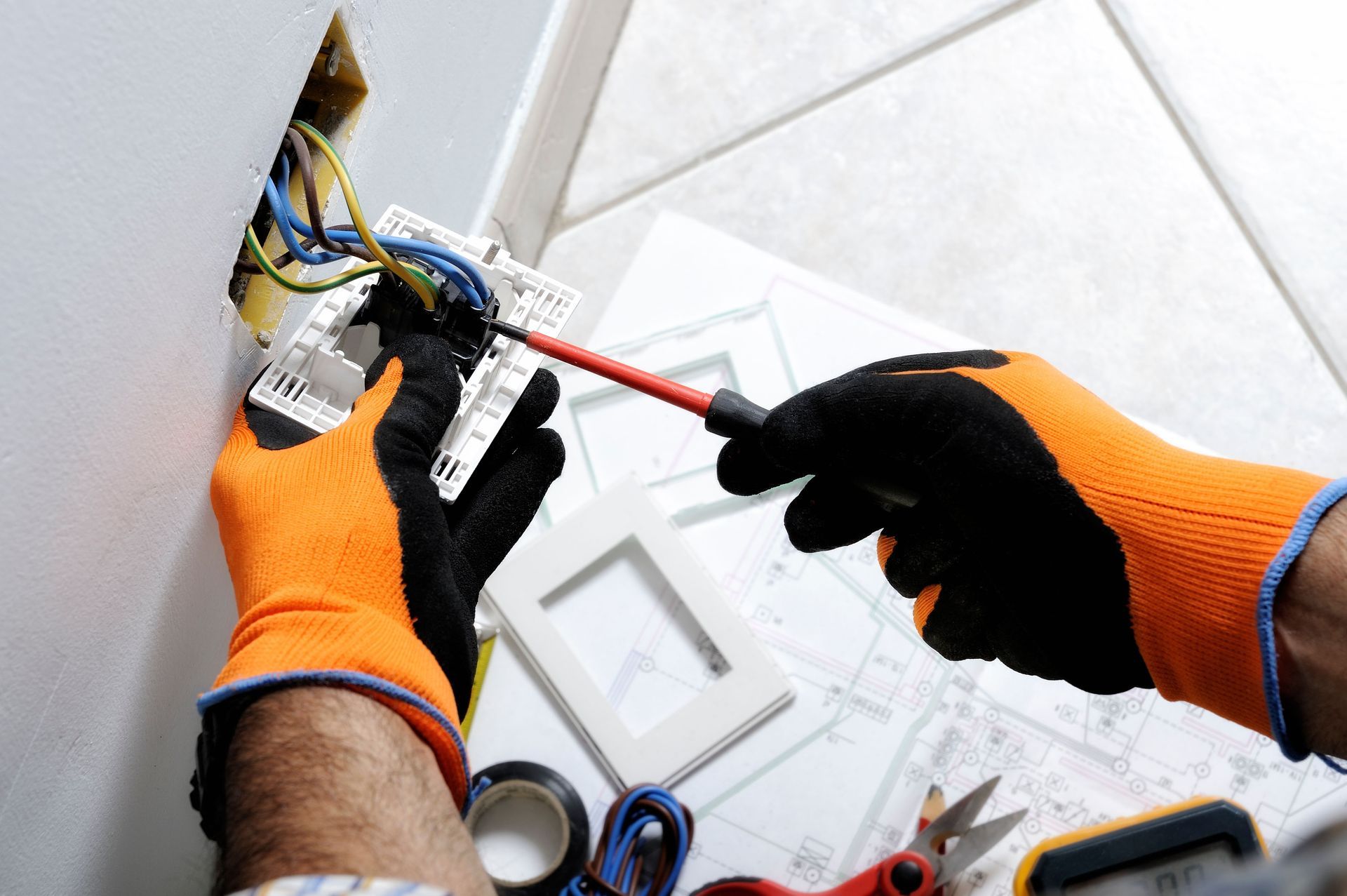
Qualified electricians inspect existing wiring, evaluate circuit capacity, and complete necessary improvements according to applicable electrical codes. Depending on the project, upgrades might include additional outlets, dedicated circuits, improved grounding, or electrical panel modifications. Proper installation reduces the likelihood of overheating, equipment malfunctions, and electrical interruptions.
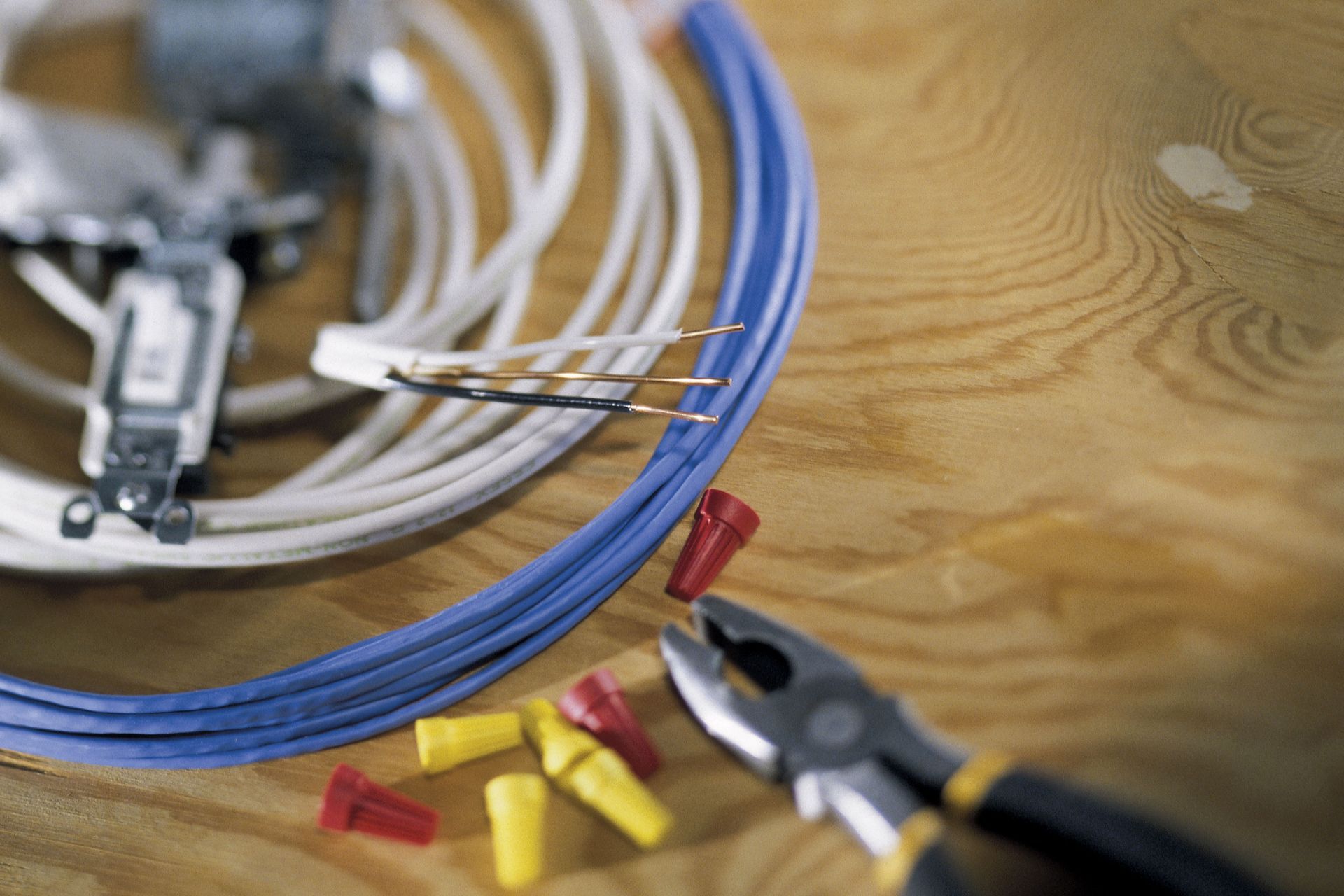
Network infrastructure also deserves attention. Ethernet cabling can provide stable connections for compatible cameras, entertainment systems, and centralized controllers. Combining dependable electrical wiring with appropriate networking equipment establishes a strong foundation for connected household technologies.
Installing Smart Lighting and Climate Control Systems
Smart lighting offers homeowners convenient control over brightness, schedules, and energy consumption. Connected switches, dimmers, and bulbs can create customized lighting scenes for different activities. Motion sensors and occupancy-based automation can also reduce unnecessary electricity use in unoccupied rooms.
Professional electricians install compatible controls and verify that connected fixtures operate correctly. They can identify issues involving dimmer compatibility, circuit configurations, and existing switches. Proper setup helps prevent flickering, inconsistent operation, and unnecessary equipment replacement.
Smart thermostats provide another opportunity to improve household comfort. These devices can adjust heating and cooling schedules according to occupancy patterns and personal preferences. Installation requires checking HVAC compatibility, control wiring, and power availability. When configured appropriately, automated temperature adjustments may reduce energy consumption while maintaining comfortable indoor conditions.
Integrating Smart Security and Automated Appliances
Connected security equipment allows homeowners to monitor their properties and receive notifications about unusual activity. Smart cameras, video doorbells, electronic locks, and alarm systems can work together through compatible applications or centralized platforms. Proper positioning and dependable power connections are important for consistent operation.
Experienced electricians can install hardwired security equipment, provide appropriate power connections, and coordinate electrical requirements with specialized security installers. Homeowners should also evaluate privacy settings, account protection, and device access permissions to reduce cybersecurity risks.
Automated appliances offer additional convenience through scheduling, remote monitoring, and status notifications. Smart refrigerators, washing machines, and other compatible equipment may communicate with household control systems. However, remote operation should follow manufacturer safety instructions, particularly for appliances that generate heat. Thoughtful integration supports convenience without compromising responsible operation.
Connecting Voice Assistants and Home Automation Platforms
Voice assistants and centralized applications simplify the management of connected devices. Compatible systems can coordinate lighting, thermostats, security equipment, and entertainment features through predefined routines. For example, a bedtime routine might lower the thermostat, turn off selected lights, and activate compatible security settings.
Successful automation requires selecting devices that support the same communication standards or integration platforms. Homeowners should verify compatibility before purchasing equipment because not every device works with every assistant.
Network reliability also influences responsiveness. Strong wireless coverage, appropriate router placement, and updated software help prevent communication problems. Clear device naming and organized control settings make everyday operation easier for household members. Homeowners should also maintain manual control options for essential functions when internet connectivity becomes unavailable.
Ensuring Electrical Safety and Code Compliance
Safety remains a priority throughout smart home preparation and installation. Electrical improvements must comply with applicable national and local requirements, including provisions addressing circuit protection, grounding, wiring methods, and equipment installation. Depending on the work involved, permits and inspections may also be necessary.
Licensed electricians can assess electrical hazards, install appropriate protective equipment, and verify that completed work meets relevant standards. Surge protection may help reduce damage from certain voltage disturbances, while properly designed backup power systems can support selected essential equipment during outages.
Testing is equally important. Installers should verify circuit operation, equipment compatibility, and safe device performance before completing a project. Homeowners should receive instructions covering normal operation, warning signs, and situations requiring professional assistance. Electrical repairs and modifications should never be attempted without appropriate qualifications.
Maintaining Smart Devices and Planning Future Upgrades
Smart home systems require occasional maintenance to remain reliable and secure. Software updates can address vulnerabilities, improve compatibility, and introduce new features. Homeowners should periodically review device settings, replace batteries when necessary, and verify that important automation routines function correctly.
Professional electricians can assist with electrical troubleshooting, equipment replacements, and infrastructure modifications as household needs evolve. Connectivity problems may require support from networking specialists or device manufacturers, depending on the source of the issue.
Professional electricians contribute essential knowledge throughout assessment, installation, testing, and future expansion. Their expertise helps ensure that connected technologies operate on an appropriate electrical foundation while meeting applicable safety requirements. By combining careful planning with reliable infrastructure and ongoing maintenance, homeowners can create adaptable living spaces that accommodate technological advancements for years to come. Contact our team at B. Jags Electric today and learn more about our electrical services.